When Can a Baby Sleep With a Blanket? (And What to Skip)
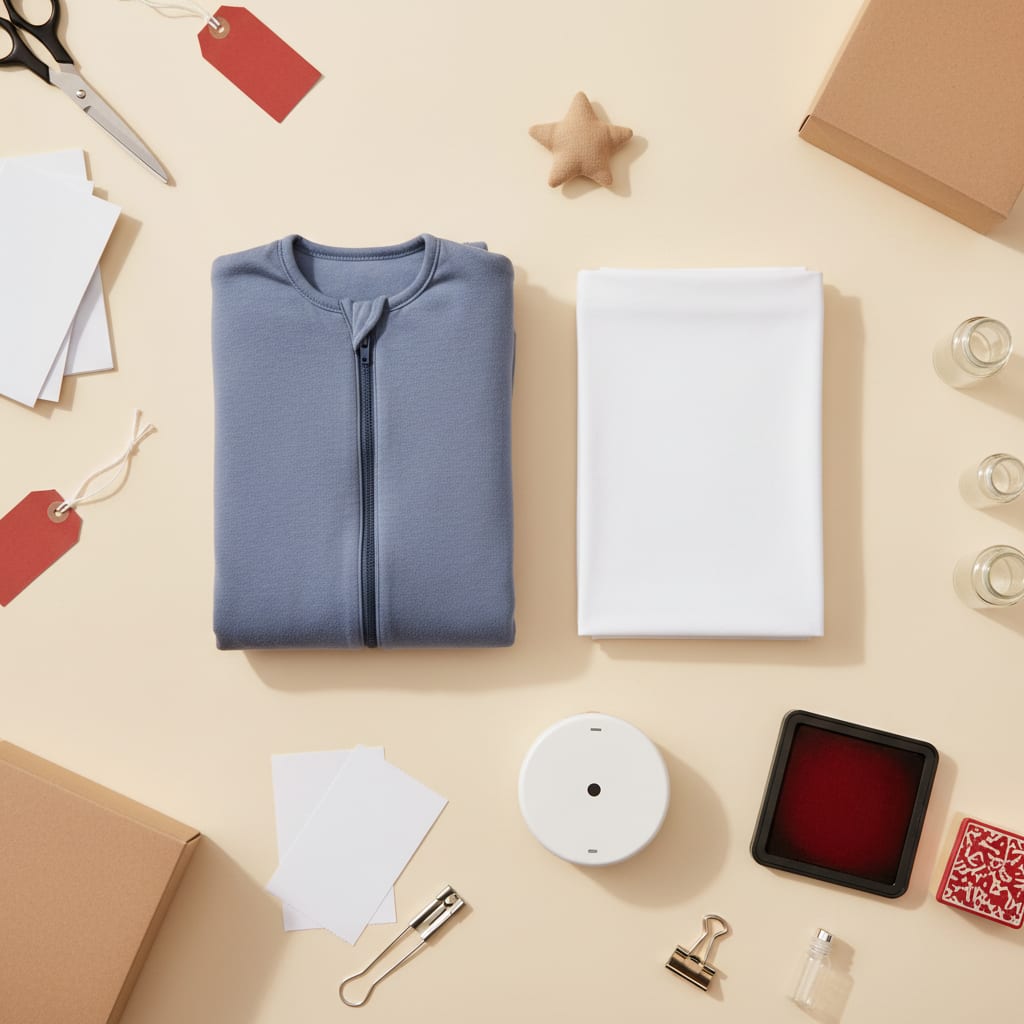
A baby should not sleep with a loose blanket until at least 12 months old. That’s the American Academy of Pediatrics position, and it isn’t a soft suggestion — loose blankets, pillows, bumper pads and pillow-like toys all raise the risk of entrapment, suffocation and strangulation, so they stay out of the sleep space for the whole first year. Until then, the AAP’s stated alternative is simple: dress the baby in layers, or use a wearable blanket. Everything below follows that rule, including the shopping part, because no deal is worth bending it.
This is also, quietly, one of the cheapest categories in the nursery — as long as you know which half of the bedding aisle exists purely to be sold to you.
The bedding timeline, by age AAP guidance, checked July 2026
Birth to about 3–4 months. Bare crib or bassinet: firm, flat surface, fitted sheet, nothing else. A firm surface means it shouldn’t indent when your baby is lying on it, and the AAP caps any incline at 10 degrees. Swaddling is fine at this stage if you’re doing it correctly.
Stop swaddling at the first sign of rolling. The AAP’s trigger isn’t a birthday — it’s the moment your baby looks like they’re trying to roll over, typically around 3–4 months. Rolling while swaddled is a suffocation risk. This is the transition to a sleeveless or arms-out wearable blanket.
4 to 12 months. Still a bare crib. Still no blanket, pillow, bumper or stuffed animal. Warmth comes from a wearable blanket in an appropriate weight, or an extra layer of clothing. Room-sharing — baby’s own sleep surface in your room, never your bed — is recommended for at least the first six months.
12 months and up. A blanket becomes reasonable. Plenty of pediatric sleep specialists suggest holding off a while longer, especially for a large or heavy blanket, which is the position Betteroo’s guide to when a blanket is finally safe takes as well. There’s no prize for going first, and sleep sacks are made in toddler sizes for exactly this reason.
What you don’t need to buy — at all
Here’s where the money leaks. Roughly half the “nursery bedding” category is either unusable for the first year or illegal to sell.
Crib bumpers. Not a preference — a ban. Under the Safe Sleep for Babies Act, padded crib bumpers and inclined sleepers for infants have been banned hazardous products in the US since November 12, 2022, and it’s unlawful to sell, distribute or import them. If you see bumpers offered at a “clearance price,” that’s not a bargain, it’s a compliance failure.
Inclined sleepers. Same ban, same date, same reasoning.
Pillows, including “toddler pillows,” for a crib-age baby. Pillows and pillow-like toys have to come out of the sleep area.
Weighted swaddles and weighted sleep sacks. The AAP advises against weighted swaddle blankets and weighted objects in swaddles. These are marketed hard and discounted often. Skip them regardless of price.
The five-piece crib bedding set. The classic quilt-plus-bumper-plus-skirt-plus-pillow set is the single most expensive thing in this aisle and the one item you can use the least of. You need the fitted sheet. That’s it.
Sleep positioners and nests for unsupervised sleep. Not a sleep surface.
Add it up and the “must-have nursery bedding” list collapses to sheets and sleep sacks.
What’s actually worth buying
Fitted sheets that fit your mattress exactly. Two or three. This is the item to buy the cheap multipack of — they’re going in a washing machine constantly and nobody sees them.
A waterproof mattress protector. Fitted, under the sheet. Saves the mattress, which is the one thing you don’t want to replace.
Two wearable blankets in the current size. Two, not six. Babies outgrow sizes fast enough that stockpiling ahead is how you end up with a drawer of unworn 6–12 month sacks. The canonical version of this product is the HALO SleepSack cotton wearable blanket — it’s been the default recommendation in the category for years and comes in weights (TOG ratings) matched to room temperature, which is the whole point: a sack can’t ride up over a face the way a blanket can.
Match the weight to your room rather than the season on the label. Betteroo’s rundown of the right nursery temperature range is a good sanity check before you buy a heavier one — a warmer sack in an already-warm room is the wrong trade.
Where the free and cheap versions actually come from
Registry welcome boxes. Swaddles and cloths turn up in retailer welcome boxes regularly — they’re a standard sample item because brands want you hooked on a size that doesn’t fit for long. Every verified box program is on the hub: free baby samples that are actually real.
Hand-me-down sleep sacks and sheets. Fabric goods that wash clean are the correct thing to accept secondhand. A mattress is not — that one you buy new and firm.
Price alerts instead of impulse buys. Sleep sacks are a repeat purchase across three or four sizes, which makes them a textbook case for a price watch rather than a panic order at 11pm. The method is here: how to track Amazon prices with Keepa and CamelCamelCamel.
The advice, free. The thing most parents are actually shopping for at 2am isn’t bedding — it’s an answer. Most “free sleep guides” are lead magnets with the real content behind a consultant’s paywall, which is why I keep a list of the ones that pass the actually-free test: free baby sleep help that’s genuinely free.
The one place a “deal” should never win
Discounted bumper sets, marked-down weighted sacks, a free hand-me-down crib with a soft mattress, a positioner offered in a Buy Nothing group — these are the offers where the answer is no regardless of the number attached. Free is only a good price on something you should be using in the first place.
FAQ: babies, blankets and bedding
When can a baby sleep with a blanket?
At 12 months at the earliest, per AAP guidance — loose blankets and other soft bedding stay out of the sleep space for the entire first year because of entrapment and suffocation risk. Many pediatric sleep specialists suggest waiting longer for a large or heavy blanket.
What do babies use instead of a blanket?
A wearable blanket — a sleeveless sack the baby sleeps inside — or simply an extra layer of clothing. The AAP names both as the alternative to loose bedding, and sacks come in weights so you can match the room instead.
Are crib bumpers ever okay?
No. Padded crib bumpers have been banned hazardous products in the US since November 12, 2022 under the Safe Sleep for Babies Act, and it’s unlawful to sell, distribute or import them. A cheap bumper isn’t a deal.
How many sleep sacks do I actually need?
Two in the current size — one in use, one in the wash. Sizes turn over fast, so buying two sizes ahead usually means buying things your baby skips past. Set a price alert and buy the next size when you need it.
When do I stop swaddling?
As soon as your baby shows signs of trying to roll over, typically around 3–4 months, and not later. Rolling while swaddled is a suffocation risk. Move to an arms-out or sleeveless wearable blanket at that point.
Is a secondhand crib mattress okay if it’s free?
This is the one bedding item worth spending on: firm, fitting the frame with no gaps, not indenting under your baby. Sheets and sleep sacks secondhand, gladly. Mattress, buy it.