Free Breast Pump Through Insurance: The Steps
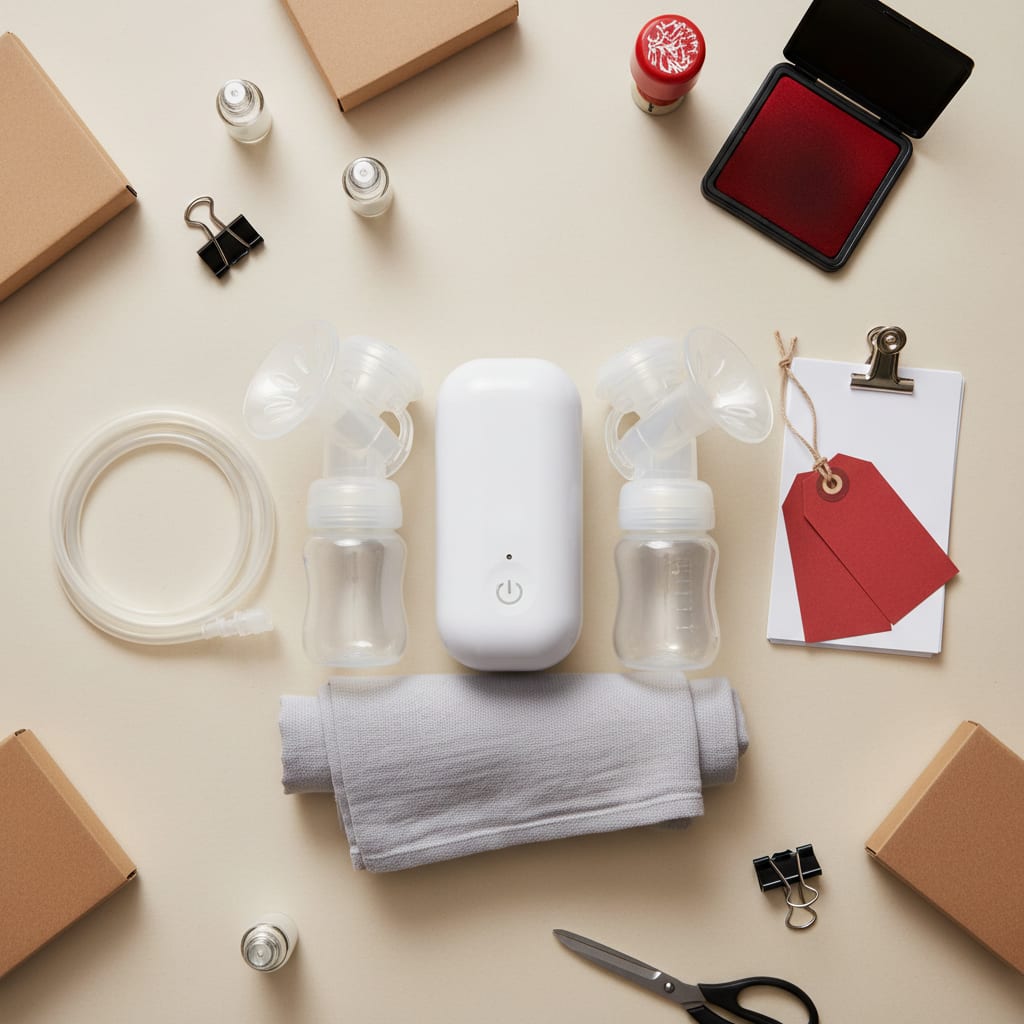
Yes — a breast pump is very likely free for you, and it is the single highest-value “freebie” on this entire site. Under the Affordable Care Act, health plans must cover breastfeeding support, counseling and equipment, and healthcare.gov states plainly that your plan “must cover the cost of a breast pump.” You order it through a medical-supply company that bills your insurer directly, and in the standard case you pay nothing and nothing goes on a card. Below are the steps, the two routes, and the one place this process quietly tries to charge you.
What the law actually requires Verified July 2026
I re-read the government’s own plain-language page while writing this, and the wording matters more than the summaries you’ll see elsewhere. Healthcare.gov’s breastfeeding benefits page says plans must provide breastfeeding support, counseling and equipment “for the duration of breastfeeding,” and that the pump “may be either a rental unit or a new one you’ll keep.”
Three limits sit inside that, and they’re the reason two moms with the same due date get different pumps:
- Your plan decides the type. It may set guidelines on whether the covered pump is manual or electric.
- Your plan decides the timing. It may set when you receive it — before or after birth.
- Grandfathered plans are exempt. The requirement applies to Marketplace plans and other plans, “except for grandfathered plans.” If you’re on an old employer plan that never changed, check before you assume.
Some plans also require pre-authorization, and the page notes plans generally follow your doctor’s recommendation. Translation: a prescription from your OB or midwife is the piece of paper the whole process runs on.
Route one: a supplier who handles the paperwork
This is what most people should do, because the supplier does the insurance call so you don’t.
Aeroflow Breastpumps Verified July 2026 runs a qualify-through-insurance form that asks for your email, due date, name, date of birth, phone, state and ZIP, and your insurance type and member ID. From there they state they verify your coverage, collect and verify the prescription, submit the paperwork, and ship free to your door. I checked the form this week: no card field, no fee, no “shipping and handling.”
Byram Baby (Byram Healthcare’s breastfeeding arm) Verified July 2026 works the same way and states that under the ACA most plans cover a double electric pump at 100%, “often with no copay, deductible, or out-of-pocket cost.” They list a dozen-plus manufacturers including Spectra, Medela, Lansinoh, Elvie, Ameda, Willow, Philips Avent and Zomee, and say they’re in-network with most major carriers. Their order flow asks for patient and insurance details, physician information, your due or birth date, and a shipping address — and billing information only if you select an upgrade pump.
Route two: your insurer’s own list
Call the member-services number on your card and ask two questions: which DME (durable medical equipment) suppliers are in network, and when in the pregnancy they’ll release the pump. Some plans steer you to one supplier and cover nothing outside it, which is the situation where the “just use any website” advice costs real money. If your plan names a supplier, use that one — the supplier that handles the paperwork is only convenient if it’s covered.
The five steps, in order
- Ask your OB or midwife for a breast pump prescription at a regular prenatal visit. It takes thirty seconds and unlocks everything else.
- Check whether your plan has a preferred supplier (member services, or the plan’s app). Do this before you fill out anything.
- Submit the qualification form at Aeroflow, Byram Baby, or whichever in-network supplier your plan named. Have your member ID and your provider’s name ready.
- Confirm the ship window in writing. Plans differ on whether the pump goes out during pregnancy or after birth; the supplier will tell you which yours does.
- Open the box before you need it. Assemble it, run it once, and find out what’s missing while there’s still time to ask.
Where this process tries to charge you
Here’s the part the brand pages soft-pedal. Every supplier shows you the fully covered pumps next to premium models with an “upgrade” price. Byram is upfront that if you choose a pump costing more than your plan’s covered amount, you pay the difference, and that upgrade amount is not reimbursable by insurance (it may be FSA/HSA eligible). That’s a legitimate, clearly labeled choice — not a scam. But it is the moment a free benefit turns into a $150 checkout, and it’s why I tell people to decide the budget before they see the comparison grid.
What is not legitimate: any site promising a “free breast pump” that asks for a card number, a shipping fee, or a survey before it will show you anything. Real suppliers bill your insurance and ask for a member ID. If an offer fails that test, run it through the freebie scam checklist and close the tab.
One more note, kept short because it’s outside this site’s lane: Medicaid pump coverage is set state by state, so if that’s your plan, the rules above may not describe your situation — ask your plan directly.
The half of the benefit almost nobody claims
The ACA language covers support and counseling, not just the machine. That means lactation consultant visits with an IBCLC are frequently covered too, and most people never find out. The Lactation Network Verified July 2026 runs an eligibility intake, confirms coverage, and matches you with an IBCLC for in-home, in-office or online visits — their site currently notes coverage verification may be running behind, so start early rather than the week you’re struggling.
If you want the free-and-genuinely-free version of feeding help while you wait, La Leche League meetings are free with no membership required, and I’ve listed those alongside the rest of the mom-directed freebies in free stuff for new moms.
FAQ: free breast pumps through insurance
How early in pregnancy can I order my breast pump?
Suppliers will usually take your information as soon as you have a due date, but the ship date is your plan’s call — some release the pump in the third trimester, others only after birth. Submit the form early and let the supplier tell you the window; there’s no penalty for asking sooner.
Do I need a prescription for a breast pump?
In most cases yes, and it’s the piece most likely to stall your order. Your OB or midwife can write it at a routine visit, and suppliers like Aeroflow will chase the prescription for you once you’ve named your provider.
Is the pump really free, or is there a copay?
For a standard double electric pump on a non-grandfathered plan, it’s typically covered at 100% with nothing out of pocket. Costs appear in two places: an optional upgrade to a premium model, and grandfathered or unusual plans that fall outside the requirement.
Can I get a second pump for a second baby?
Often yes — the benefit generally resets with a new pregnancy, and plans set their own rules on replacement timing. Ask the supplier to check your eligibility again rather than assuming your old pump is what you’re stuck with.
What else is free while I’m expecting?
Registry welcome boxes and formula-brand programs, all of which stack with this one. The verified rundown is in free stuff for expecting moms, and the broader sample programs are in free baby samples.